
Torque Testing Process For Electric Screwdrivers: 5 Critical Tests OEM Buyers Should Understand
Quick Answer
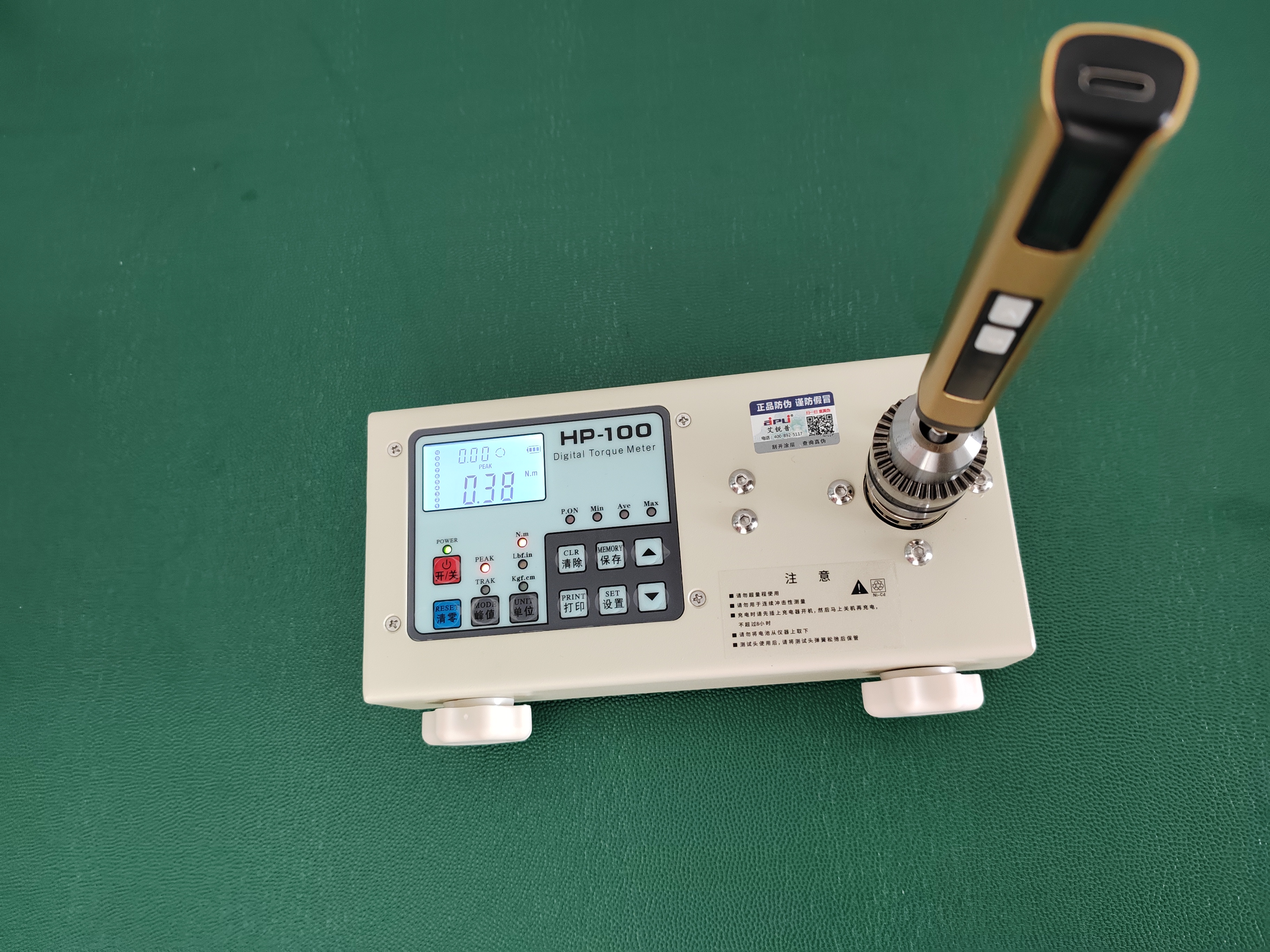
Torque testing verifies whether an electric screwdriver delivers consistent fastening force under real working conditions. Professional factories perform torque calibration, forward torque testing, reverse torque testing, load testing, and stability verification to ensure product reliability and reduce quality risks.
Why Torque Matters In Electric Screwdrivers
Torque is one of the most important performance indicators of an electric screwdriver.
If torque is too low:
- Screws may not tighten properly.
- Productivity decreases.
If torque is too high:
- Screws may strip.
- Electronic devices can be damaged.
For OEM buyers, stable torque performance is often a key purchasing requirement.
What Causes Torque Variations?
Several factors can affect torque output.
Motor Quality
Motor consistency directly impacts torque stability.
Gearbox Accuracy
Poor gear tolerances create performance variations.
Battery Voltage Stability
Unstable voltage causes inconsistent torque.
Assembly Precision
Improper assembly can reduce overall performance.
Factory Insight
At ToolQeen, torque verification is performed throughout production rather than only at the final inspection stage.
This approach helps identify issues early and maintain consistent product quality across large OEM orders.
Test 1: Forward Torque Verification
This test measures the maximum torque generated during normal tightening operations.
Purpose:
- Verify product specifications
- Confirm assembly quality
- Ensure production consistency
Test 2: Reverse Torque Verification
The screwdriver is tested while loosening screws.
Purpose:
- Verify reverse operation
- Evaluate motor stability
- Confirm gear performance
Test 3: Torque Stability Testing
Repeated cycles are performed under identical conditions.
Purpose:
- Measure consistency
- Identify production variations
- Improve quality control
Test 4: Load Simulation Testing
Products operate under simulated real-world conditions.
Purpose:
- Evaluate performance under load
- Verify long-term stability
- Assess durability
Test 5: Torque Calibration Verification
Testing equipment is regularly calibrated.
Purpose:
- Ensure measurement accuracy
- Improve testing reliability
- Support OEM quality requirements
Why OEM Buyers Should Care About Torque Testing
Without proper torque testing, manufacturers may experience:
- Product inconsistency
- Higher return rates
- Customer complaints
- Increased warranty costs
Professional testing reduces these risks significantly.
Torque Testing VS Basic Functional Testing
| Item | Basic Testing | Professional Torque Testing |
|---|---|---|
| Rotation Check | Yes | Yes |
| Torque Verification | No | Yes |
| Consistency Analysis | No | Yes |
| Load Testing | No | Yes |
| OEM Quality Support | Limited | High |
| Reliability | Medium | High |
Quality Control Process
Professional electric screwdriver factories typically combine:
- Incoming Material Inspection
- Torque Testing
- Battery Aging Test
- Functional Verification
- Final Quality Inspection
Together, these processes help maintain stable product performance.
Real Manufacturing Data
| Metric | Industry Average | ToolQeen Standard |
| Yield Rate | 95% | 98.5% |
| Rework Rate | 4.5% | 1.2% |
| Torque Consistency | Medium | High |
| Complaint Rate | Higher | Lower |
Real Customer Case
A European electronics tool distributor experienced inconsistent fastening performance from previous suppliers.
After sourcing from a factory with documented torque testing procedures, the distributor reported:
- Fewer customer complaints
- Better product consistency
- Improved product reviews
- Reduced warranty claims
Application Scenarios
Torque testing is critical for:
- Precision electric screwdrivers
- Electronics repair tools
- OEM projects
- Private label brands
- Industrial assembly tools
Industry Standards And References
Professional torque testing often aligns with:
- ISO 9001 Quality Management Systems
- IEC Testing Guidelines
- IPC Assembly Standards
- RoHS Compliance Requirements
FAQ
What is torque testing?
Torque testing measures the fastening force generated by an electric screwdriver.
Why is torque accuracy important?
Accurate torque helps prevent screw damage and improves product reliability.
What torque range is common for precision electric screwdrivers?
Most models operate between 0.2–0.5 N·m.
How often should torque equipment be calibrated?
Professional factories perform calibration on a scheduled basis.
Does torque testing reduce warranty claims?
Yes. Consistent torque performance reduces product failures.
Why do OEM buyers request torque reports?
Reports help verify product performance and manufacturing consistency.
What affects torque output?
Motor quality, gearbox precision, battery stability, and assembly accuracy.
Does ToolQeen perform torque testing?
Yes. Torque verification is a standard part of our quality control process.
Request A Quote
Looking for an OEM electric screwdriver manufacturer with professional torque testing capabilities?
Contact ToolQeen to discuss quality requirements, product specifications, and factory-direct manufacturing support.
About ToolQeen
ToolQeen specializes in electric screwdrivers, screwdriver bits, rotary tools, repair tool kits, and OEM/ODM manufacturing solutions for distributors, wholesalers, and private label brands worldwide.
Explore Our Products
https://www.toolqeen.com/products
Learn More About ToolQeen
https://www.toolqeen.com/about-us
Reviewed By ToolQeen Engineering Team
This article was reviewed by the ToolQeen Engineering Team, with extensive experience in torque testing, electric screwdriver manufacturing, quality control, and OEM product development.